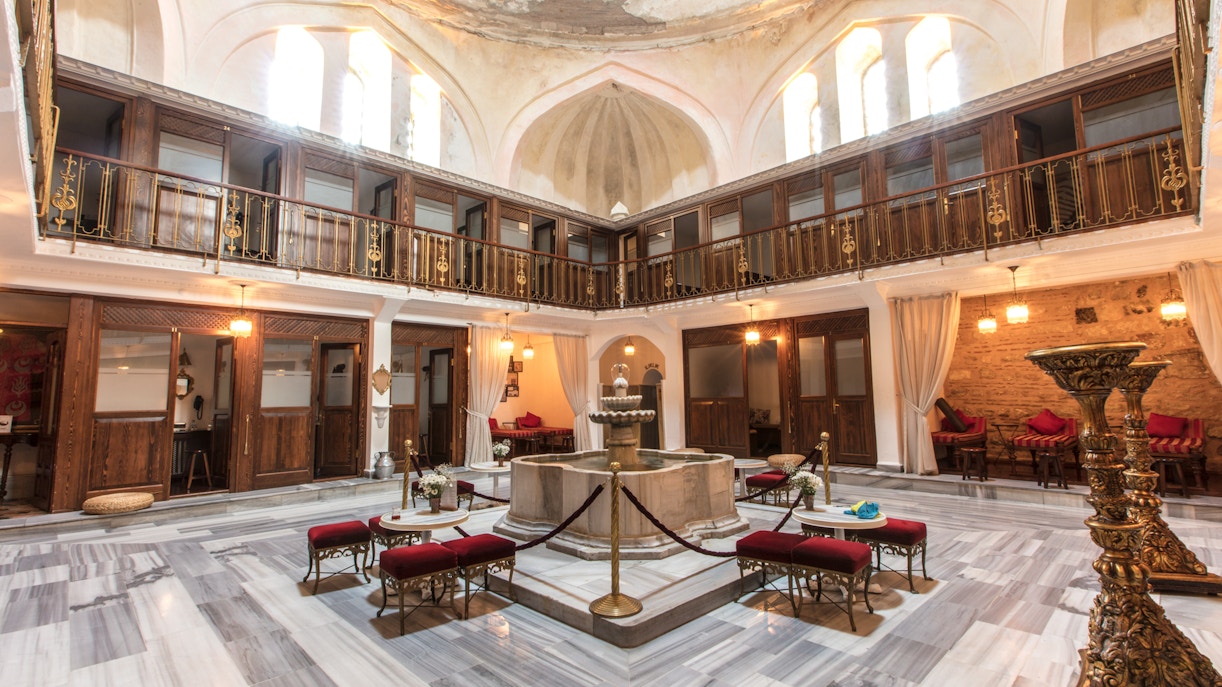
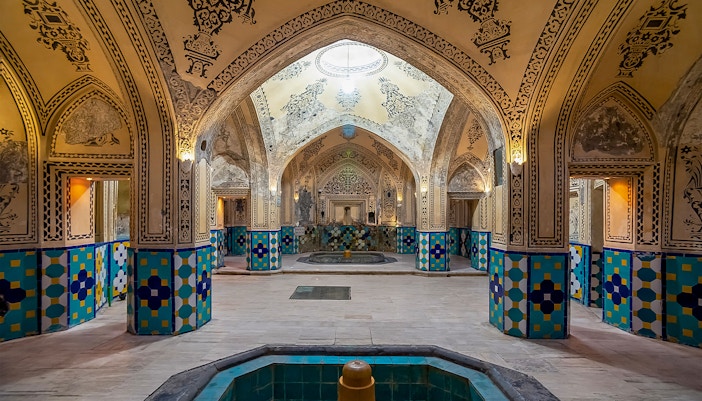
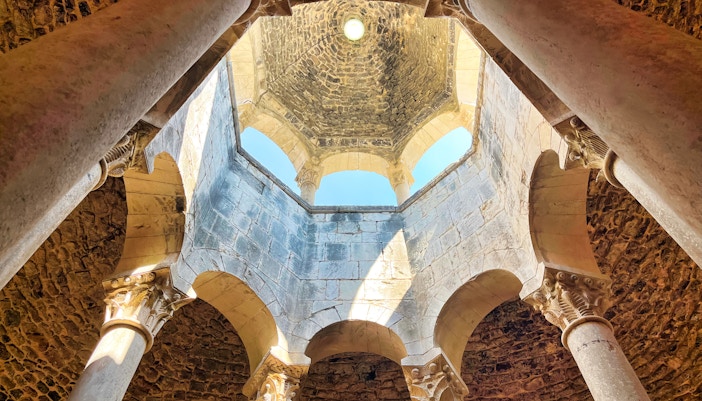
Turkish Baths are designed to feel both functional and welcoming. From the outside, they often appear as modest, solid structures, with thick stone or brick walls and small, high windows. The domes allow heat to circulate inside while tiny glass openings let in natural light without giving away too much of what’s inside. The entrance is typically an arched doorway, sometimes decorated with simple patterns or inscriptions that hint at the cultural importance of the space.
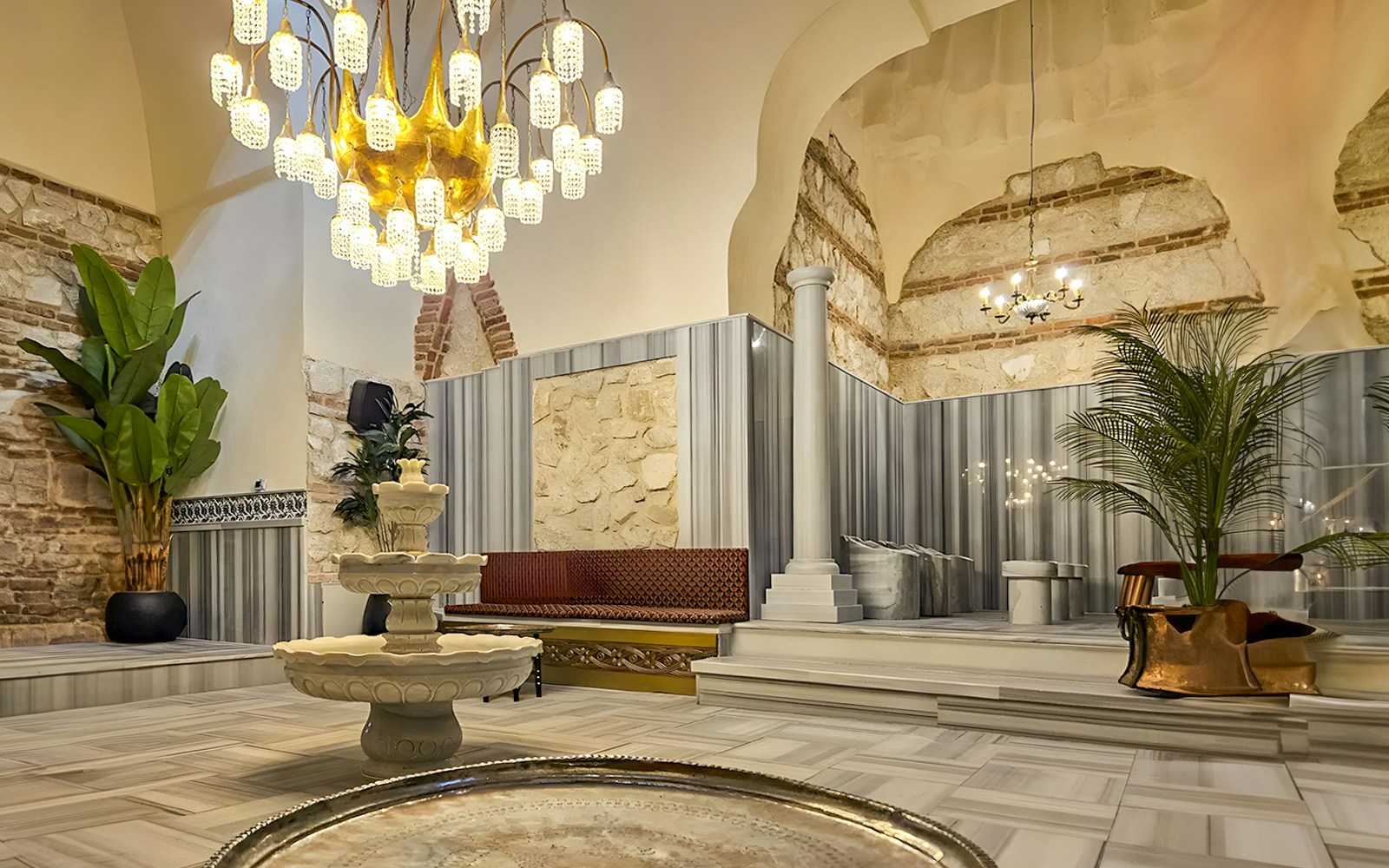
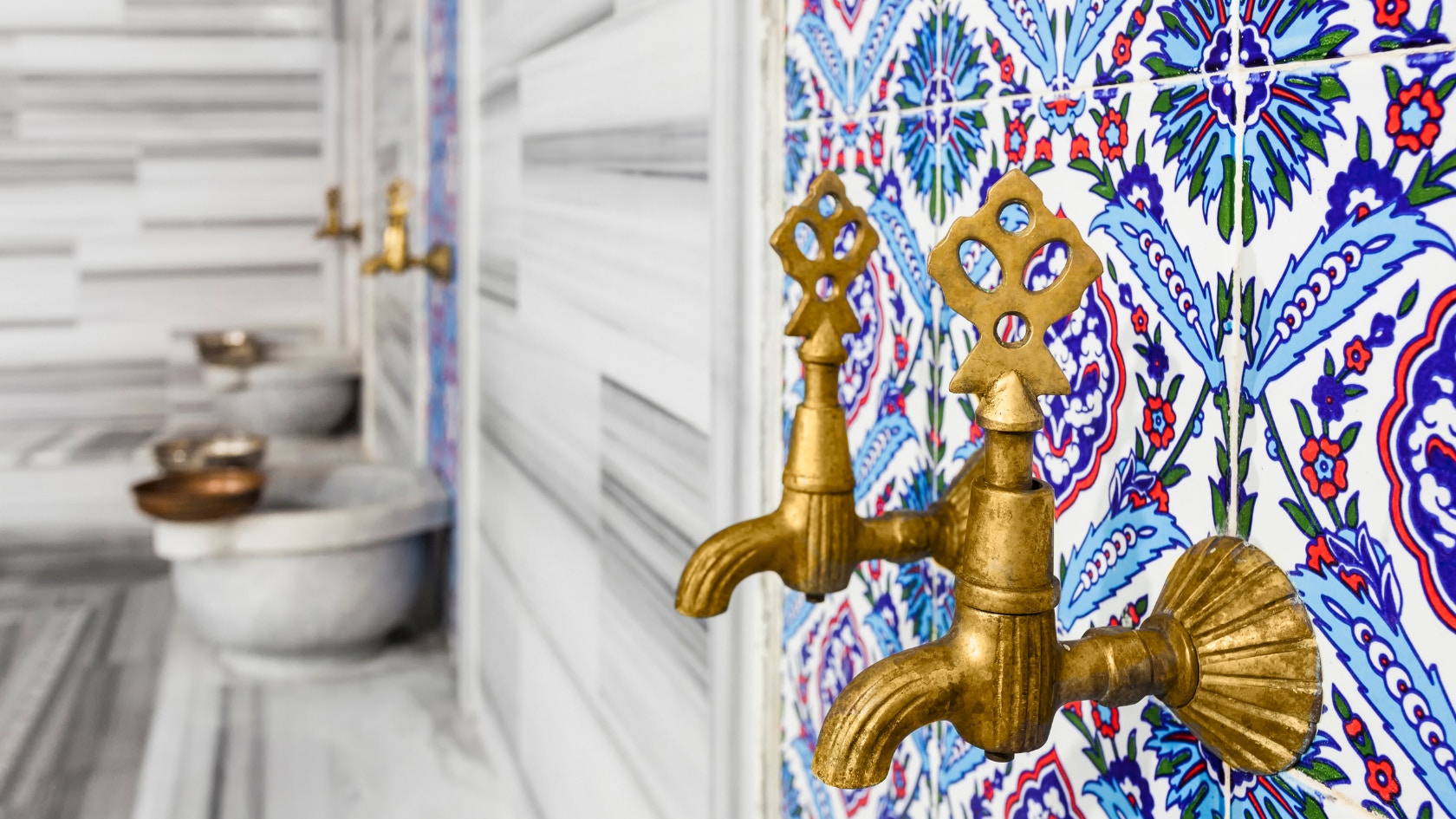
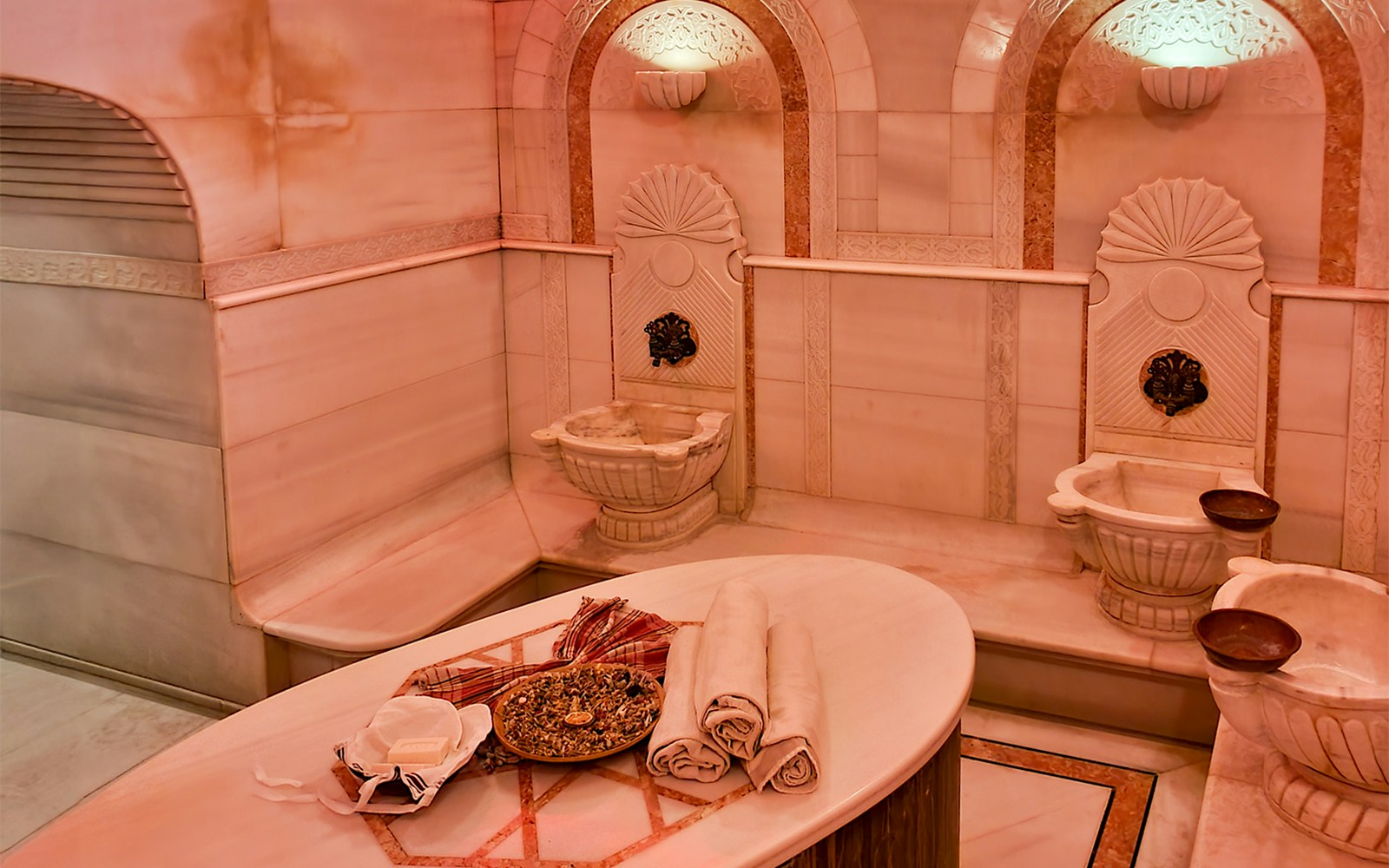
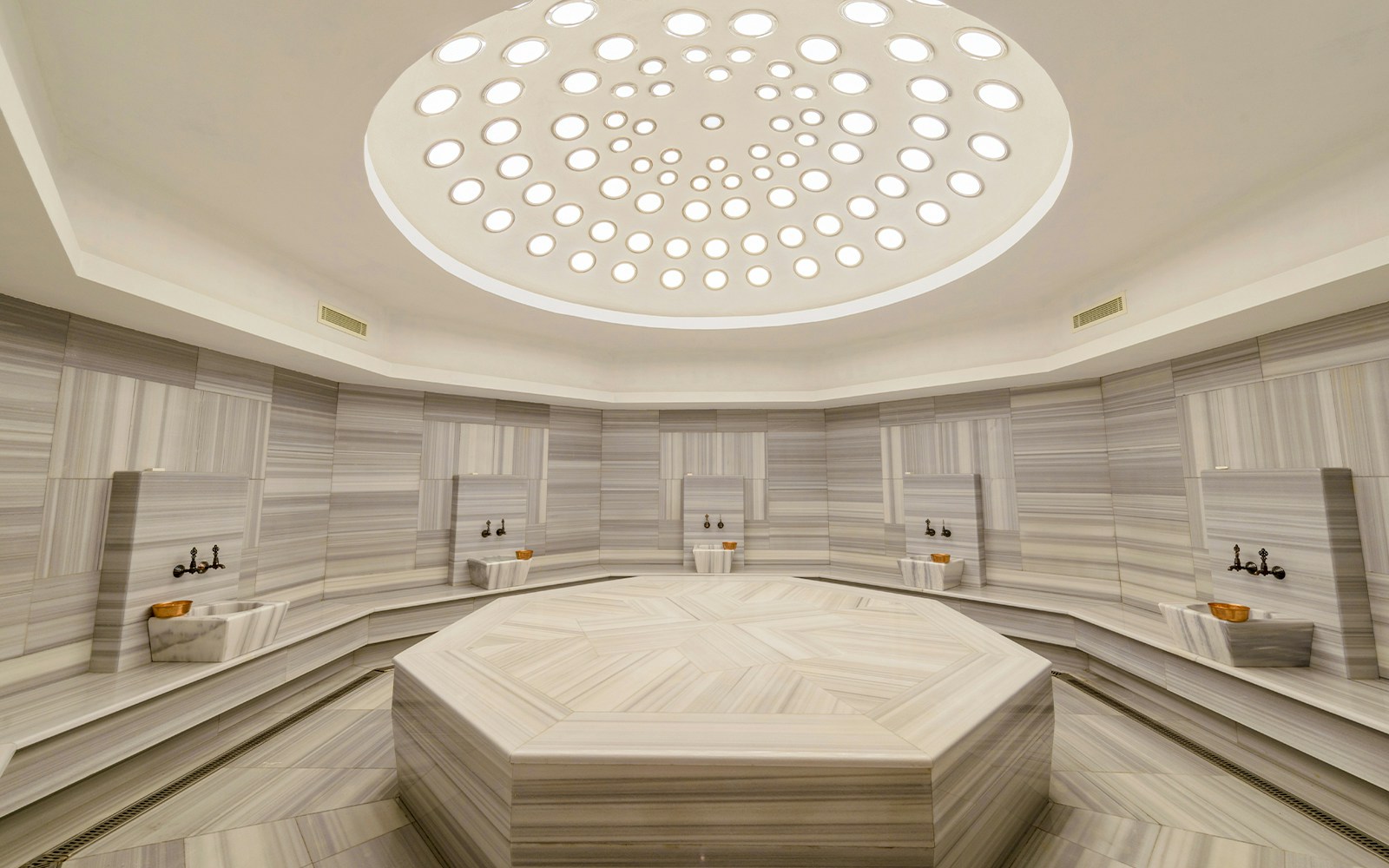
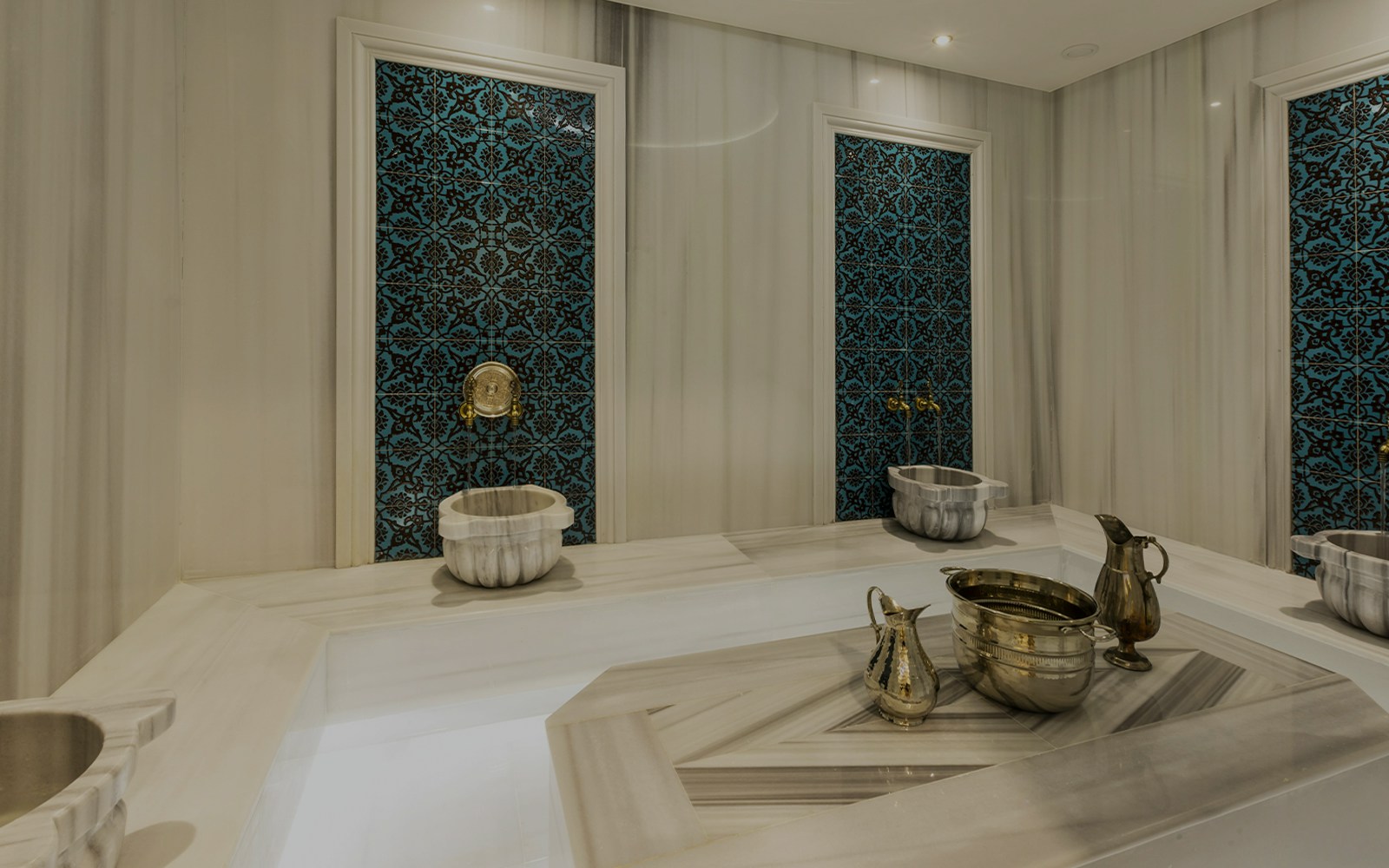
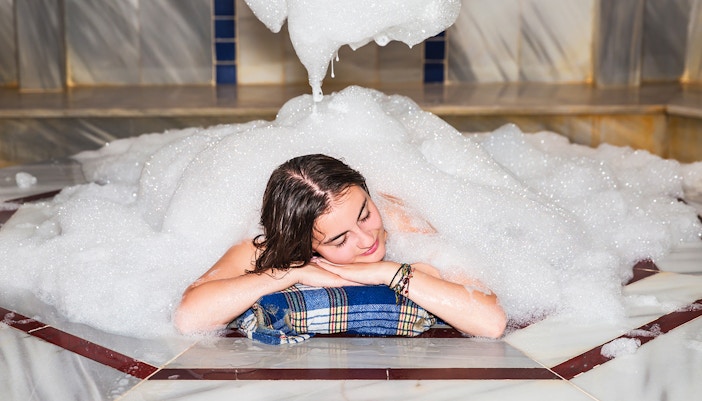
The first room you enter is the camekan, a large, open space where people gather, relax, and prepare. From here, you move into the tepidarium, a warm room where the gentle heat starts to wrap around you. The heart of the hammam is the hararet, the hot room, where a heated marble slab called the gobek tasi, takes center stage. Around the room, there are marble basins built into the walls, filled with warm water, which is scooped out using metal or plastic bowls. Every space is thoughtfully designed to help you unwind, cleanse, and connect with the ancient tradition of the hammam.




.jpg?auto=compress%2Cformat&w=702.4499999999999&h=401.4&q=90&ar=7%3A4&crop=faces&fit=crop)


